
Japchae

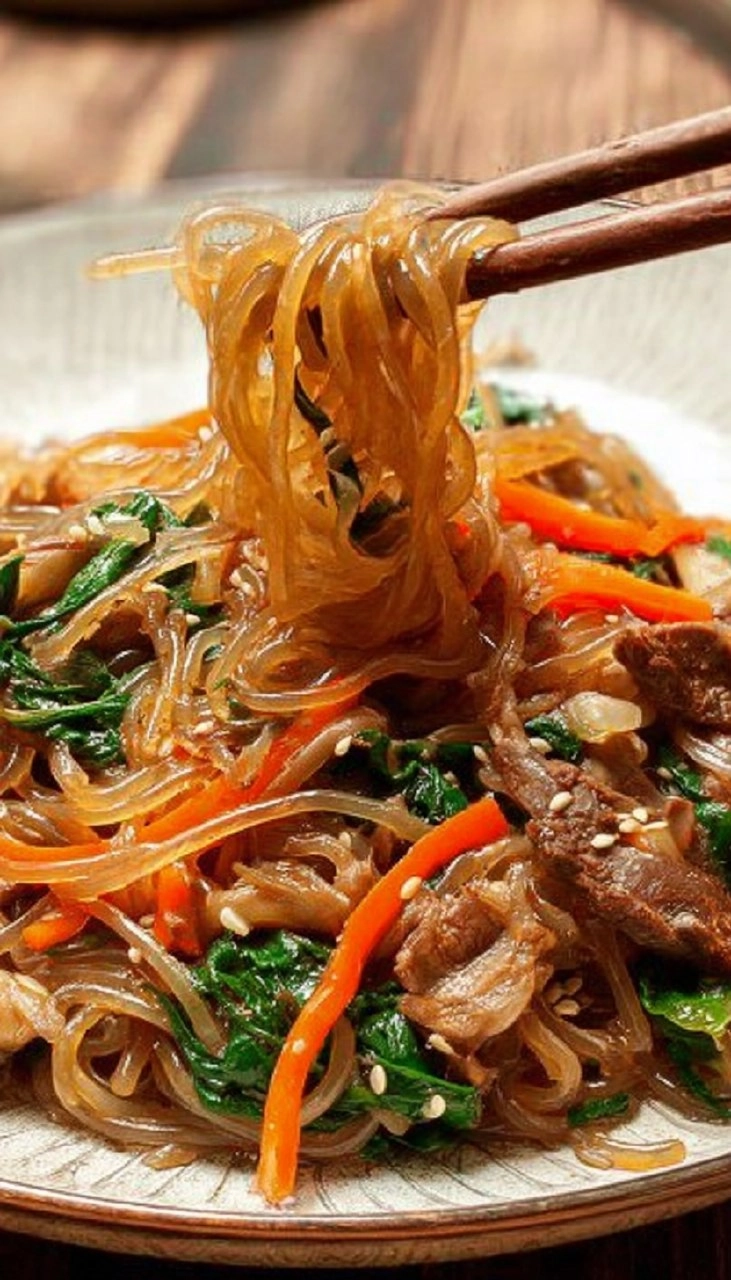
Japchae is a beloved Korean dish that tantalizes with its delightful combination of textures and flavors. Featuring chewy sweet potato starch noodles stir-fried with an array of fresh vegetables, tender slices of beef, and a savory-sweet sauce, this dish not only pleases the palate but also brings a splash of color to any table. The harmony of ingredients and the unique chewy texture of the noodles create an indulgent experience that leaves you craving more.
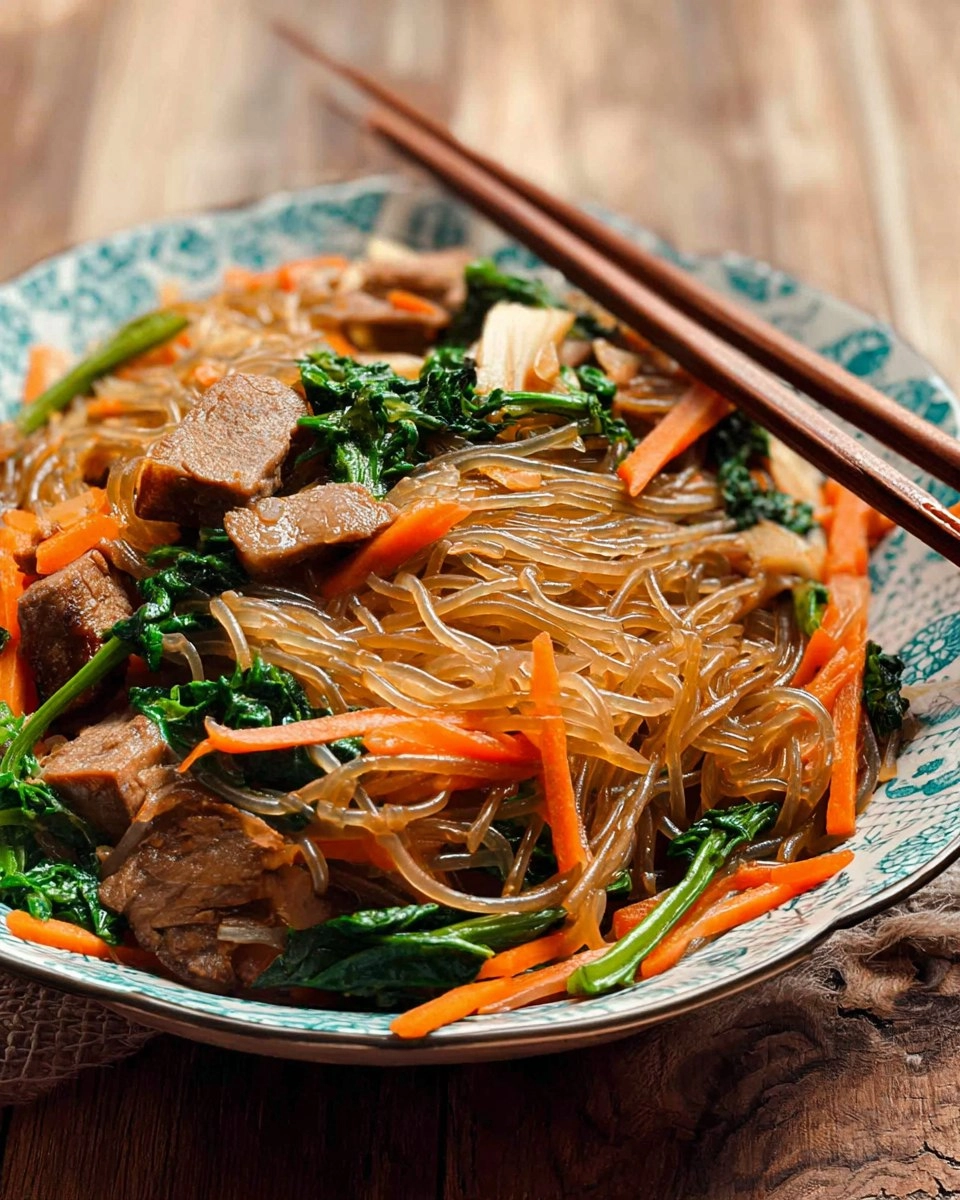
I first stumbled upon Japchae at a bustling Korean restaurant, drawn in by the vibrant presentation of glistening noodles mingled with all kinds of stir-fried goodness. After trying it, I felt inspired to recreate this masterpiece at home. The magic of making Japchae is how versatile it can be — it’s excellent for dinner with friends, special occasions, or as a comforting dish on a quiet evening. Trust me, once you try making this at home, you’ll find it’s easier than you might think, and your loved ones will be impressed!
Table of Contents
Why You’ll Love This Recipe
- Simple & Quick: With 30 minutes of prep and only 50 minutes of cooking, this dish comes together smoothly.
- Irresistible Flavor: Every bite bursts with savory notes from the sesame oil and sweetness from the stir-fried vegetables.
- Eye-Catching Appeal: The mix of colorful veggies and noodles offers a stunning, appetizing presentation.
- Flexible Serving: Perfect as a main dish for dinner, a side for parties, or even as a make-ahead meal for lunch.
- Diet-Friendly Options: Can be easily adapted for gluten-free diets by substituting tamari for soy sauce.
Ingredients You’ll Need
- 6 oz beef: Filet mignon or boneless ribeye is recommended for tenderness; you can substitute with chicken or tofu for a lighter option.
- 4 garlic cloves, minced: Fresh garlic brings a robust flavor; adjust to taste, adding more or using garlic powder if preferred.
- 1 tablespoon plus 3 tsp granulated sugar: Sweetness balances the savory aspects; brown sugar can also work if you’re looking for a deeper flavor.
- 4 tablespoons tamari sauce: A gluten-free soy sauce alternative; regular soy sauce is fine if gluten isn’t a concern.
- 4 tablespoons Asian toasted sesame oil: This is key for authentic flavor; don’t skip this ingredient!
- Olive oil for cooking: Use this versatile oil to sauté; you can substitute with any light cooking oil if needed.
- 1 medium onion, thinly sliced: Sweet onions like Walla Walla can enhance the dish’s flavor.
- 2 carrots, peeled and cut into matchsticks: Provides crunch and sweetness; use bell pepper or zucchini if preferred.
- 4 large dried Shitake mushrooms: These add earthy depth; fresh shiitake or button mushrooms may also be used.
- 8 oz white mushrooms, thinly sliced: Fresh white button mushrooms give a nice texture.
- 8 oz baby spinach leaves: This leafy green adds nutrients and color; kale or bok choy can be substituted if desired.
- 10 oz sweet potato starch noodles: Also called sweet potato vermicelli or Dangmyeon; don’t replace them as they provide the unique chewy texture.
- 2 whole stalks green onion: Adds freshness and a mild onion flavor; can substitute with leeks if needed.
- Table salt and freshly ground black pepper: Essential for seasoning to taste.
- 2 tablespoons toasted sesame seeds for garnish: Gives a nutty finish; consider using crushed peanuts for a different texture.
How to Make Japchae
Marinate the beef: In a bowl, combine 6 oz beef with half of the minced garlic (2 cloves), 1 tsp sugar, 2 tsp tamari sauce, 1 tsp sesame oil, and 1/4 tsp ground black pepper. Stir to combine, cover, and chill in the fridge to let the flavors meld.
Prepare the vegetables: Heat a large nonstick pan over medium heat and add 2 tablespoons of olive oil. Once hot, toss in 1 medium onion, 2 carrots, and 4 large dried Shiitake mushrooms with a pinch of salt (about 1/8 tsp). Cover the pan and stir for about 3 minutes, or until the onion becomes translucent. After that, add in 8 oz white mushrooms and another pinch of salt. Cook for 2 minutes until the mushrooms soften. Finally, add 8 oz baby spinach and stir just until wilted. Transfer this mixture to a very large bowl, cover, and keep warm.
Cook the beef: In the same nonstick pan, add 1 tablespoon of olive oil and the marinated beef along with 2 stalks of green onion. Sauté over medium heat until the beef is no longer pink. Once cooked, add this beef mixture to the large bowl with the vegetables and cover it to keep warm.
Cook the noodles: Bring a large pot of salted water to boil. Add in the 10 oz sweet potato starch noodles and stir occasionally. Cook for about 7-8 minutes or until they are soft and chewy. Drain the noodles and rinse briefly with cold water. It’s a good idea to use kitchen shears to make a few cuts through the noodles so they aren’t overly long. Place the noodles back in the empty pot.
Season the noodles: In the pot with noodles, add 3 tsp sugar, 2 tsp tamari sauce, and 4 tsp sesame oil. Toss well to combine, ensuring all the noodles are coated.
Combine it all: Gently mix together the noodles with the beef and vegetable mixture, whether in the large bowl or the pot. Add the remaining minced garlic (2 cloves), sugar (1 tsp), tamari sauce (2 tbsp), and sesame oil (2 tbsp). Season with salt and pepper to taste, tossing everything together. Finally, sprinkle with 2 tablespoons of toasted sesame seeds before serving. Enjoy warm or at room temperature!
Storing & Reheating
To store any leftovers, place Japchae in an airtight container at room temperature if you plan to eat it within a day. For longer storage, refrigerate for up to 3 days. If freezing, transfer to a freezer-safe container and enjoy within 3 months. When reheating, do so gently in a microwave or on the stovetop, adding a splash of water or oil to refresh the texture, as noodles may become a bit sticky upon refrigeration.
Chef’s Helpful Tips
- When sautéing, ensure your pan is at the right temperature to prevent the vegetables from steaming instead of sautéing.
- Keep ingredients organized to speed up cooking and avoid overcooking any specific ingredient.
- Thinly slice the vegetables to ensure even cooking and optimal texture, as larger pieces can remain crunchy.
- If you’re making this ahead of time, prepare the ingredients but keep the noodles separate until you’re ready to serve.
Japchae is truly a treasure that brings home the flavors of Korean cuisine. Its versatility is its charm — you can adjust the assortment of vegetables or the protein based on what you have or your dietary preferences. The beauty lies in crafting a dish that’s not only visually stunning but also filled with flavors that blend seamlessly. Enjoy this delightful meal as a centerpiece for family gatherings or cozy dinners with friends. Don’t hesitate to experiment and make it your own!
Recipe FAQs
What type of noodles are used for Japchae?
Can I make Japchae vegetarian or vegan?
How can I customize the vegetables in Japchae?
Can I store leftover Japchae, and how should I reheat it?
⭐ If you make my Japchae recipe, Awesome! I would love to hear from you. Please give it a star rating and review below! 👇

Japchae
Japchae brings irresistible flavors and vibrant colors to your table with tender beef, fresh veggies, and chewy sweet potato noodles—a perfect addition to any meal!
- Prep Time 30 minutes
- Cook Time 50 minutes
- Yield 6 servings 1x
Ingredients
- 6 oz beef, filet mignon or boneless ribeye cut into bite size strips
- 4 garlic cloves, minced, divided
- 1 tablespoon plus 3 tsp granulated sugar, divided
- 4 tablespoons tamari sauce, divided
- 4 tablespoons Asian toasted sesame oil, divided
- olive oil for cooking
- 1 medium onion, thinly sliced
- 2 carrots, peeled and cut into matchsticks
- 4 large dried Shitake mushrooms, soaked in warm water 1-2 hours to soften, cut into thin strips
- 8 oz white mushrooms, thinly sliced
- 8 oz baby spinach leaves, bagged/prewashed is easiest
- 10 oz sweet potato starch noodles, also called sweet potato vermicelli or Dangmyeon
- 2 whole stalks green onion, ends removed, cut into bite size pieces
- table salt and freshly ground black pepper
- 2 tablespoons toasted sesame seeds for garnish
Instructions
- In a bowl, combine beef with half the minced garlic, 1 tsp sugar, 2 tsp tamari sauce, 1 tsp sesame oil, and black pepper. Stir, cover, and chill in the fridge.
- Heat 2 tablespoons of olive oil in a large nonstick pan over medium heat. Add onions, carrots, shitake mushrooms, and a pinch of salt. Cover and cook for about 3 minutes until onions are translucent. Stir in white mushrooms and another pinch of salt, cooking for 2 minutes until soft. Add spinach until wilted, then transfer the mix to a large bowl and keep warm.
- Bring a large pot of salted water to a boil.
- In the same emptied nonstick pan, heat 1 tablespoon of olive oil. Add the marinated beef and green onions, cooking until beef is no longer pink. Combine this beef mixture with the vegetable bowl, covering it.
- Cook the sweet potato noodles in the boiling water for 7-8 minutes until soft and chewy. Drain and rinse with cold water, then trim the noodles with kitchen shears. Return to the pot and mix in 3 tsp sugar, 2 tsp tamari sauce, and 4 tsp sesame oil, tossing well.
- Combine the noodles with the beef and vegetable mixture, adding the remaining garlic, sugar, tamari sauce, and sesame oil. Season with salt and pepper to taste, tossing everything together. Serve warm or at room temperature garnished with toasted sesame seeds.
Notes
For best flavor, let the beef marinate for at least 30 minutes.
Feel free to substitute vegetables based on your preference or what you have on hand.
Leftovers can be stored in an airtight container in the fridge and reheated in a pan.
Nutrition
- Serving Size: 1 serving
- Calories: 400
- Sugar: 8g
- Sodium: 1050mg
- Fat: 18g
- Saturated Fat: 3g
- Unsaturated Fat: 15g
- Trans Fat: 0g
- Carbohydrates: 45g
- Fiber: 4g
- Protein: 20g
- Cholesterol: 55mg
Nutritional information is an estimate. The nutritional values for your final dish may vary based on measuring differences and products used.