Gochujang Noodles

Gochujang noodles are vibrant, flavorful, and a true celebration of comfort food. This dish combines the chewy goodness of udon noodles with the complex, savory heat of gochujang, a Korean chili paste that packs a punch. The bright colors of the vegetables and the glossy sauce make each bowl visually satisfying and scrumptious. Plus, it comes together quickly, making it a perfect weeknight dinner option that the whole family will adore.
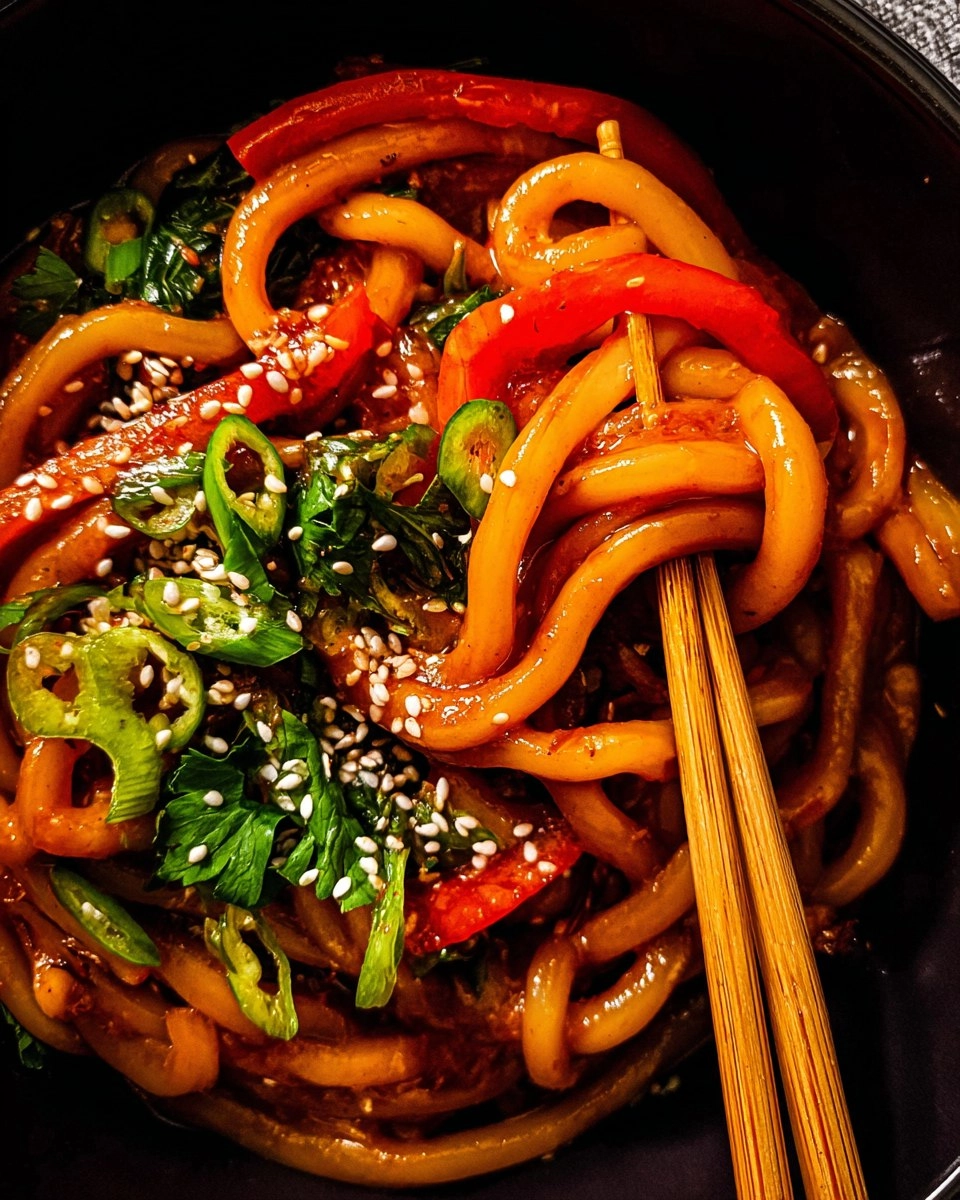
I first fell in love with gochujang noodles during a cozy night at home, craving something warm and satisfying yet easy to prepare. As the noodles danced in the pan and the aromas wafted through the kitchen, I couldn’t help but feel excited. This recipe not only satisfies when hunger strikes but also offers an opportunity to customize to your taste. Whether you enjoy it mild or spicy, you can tweak the gochujang to suit your preference, making it a fantastic choice for any kitchen!
Table of Contents
Why You’ll Love This Recipe
- Simple & Quick: Ready in just 30 minutes, it’s perfect for busy weeknights.
- Irresistible Flavor: The gochujang adds a savory richness accompanied by a delightful kick.
- Eye-Catching Appeal: The colorful vegetables make for a visually stunning plate.
- Flexible Serving: Enjoy it hot or cold, perfect for lunchboxes or gatherings too.
- Diet-Friendly Options: Easily adaptable for gluten-free diets by using rice noodles or gluten-free soy sauce.
Ingredients You’ll Need
- Gochujang Paste (2-3 tablespoons): This spicy-sweet Korean chili paste brings depth and a wonderful kick. Adjust according to your heat preference—3 tablespoons is quite spicy!
- Soy Sauce (2 tablespoons, low-sodium): Adds umami flavor without overpowering the dish. Low-sodium is recommended to control salt levels.
- Mirin (1 tablespoon): This sweet rice wine adds a hint of sweetness and depth. If unavailable, a mix of white wine and a pinch of sugar can substitute.
- Rice Vinegar (1 tablespoon): Provides a mild tang that balances the flavors. Apple cider vinegar or lemon juice may be used as alternatives.
- Brown Sugar (1 tablespoon): Enhances the overall sweetness, complementing the spiciness of gochujang.
- Fresh Udon Noodles (2 7-ounce packages): These thick, chewy noodles create a hearty base. You can substitute with soba or rice noodles if preferred.
- Avocado Oil (1 tablespoon): This oil has a mild flavor and high smoke point; vegetable oil or canola oil works well too.
- Yellow Onion (½, thinly sliced): Contributes sweetness and texture; onion varieties like white or red can be used.
- Red Bell Pepper (1, thinly sliced): Offers color, crunch, and sweetness that brightens the dish. Feel free to use any variety of sweet pepper.
- Green Onions (3, sliced into 1-inch pieces): Freshness and flavor are key; these are great for garnish, too.
- Garlic (4 cloves, minced): It brings a fragrant, aromatic quality. Fresh garlic is always best, but you can use garlic powder in a pinch.
- Sesame Seeds or Furikake (optional for serving): Adds a delightful topping; furikake can introduce additional umami.
- Fresh Basil Leaves or Cilantro (for garnish): Either adds freshness and a pop of color to finish.
How to Make Gochujang Noodles
- Prepare the Sauce: In a medium bowl, whisk together the gochujang paste (2-3 tablespoons), low-sodium soy sauce (2 tablespoons), mirin (1 tablespoon), rice vinegar (1 tablespoon), and brown sugar (1 tablespoon). Set aside.
- Cook the Noodles: Boil a medium pot of water over medium-high heat. Add the fresh udon noodles (2 packages) and cook according to package instructions, usually around 3-5 minutes. Drain and quickly rinse with cold water to halt the cooking. Drizzle with a little avocado oil (just enough to prevent sticking) in a bowl.
- Sauté the Veggies: In a large pan or wok, heat avocado oil (1 tablespoon) over medium-high heat. Add the sliced yellow onion (½) and cook until slightly softened, about 2-3 minutes. Toss in the sliced red bell pepper (1) and continue cooking for another 3 minutes until tender-crisp.
- Add Aromatics: Stir in the green onions (3) and minced garlic (4 cloves) and cook for about 1 minute until fragrant.
- Combine: Add the cooked noodles and the sauce to the pan. Toss everything together until the noodles are well-coated and glossy. Taste and adjust seasonings if necessary.
- Serve: Dish out the noodles and top with fresh basil leaves or cilantro, and sprinkle with sesame seeds or furikake if desired to enhance the flavor.
Storing & Reheating
Refrigerate any leftovers in an airtight container for up to 3 days. For room-temperature storage, enjoy the noodles within a couple of hours. If you want to keep them for longer, consider freezing in portions for up to 3 months. When reheating, add a splash of water to loosen the noodles and steam them in a skillet over low heat for about 5 minutes until warmed through. Note that texture may change slightly, but a quick refresh helps restore the dish’s original charm.
Chef’s Helpful Tips
- Don’t Overcook the Noodles: Follow package cooking times exactly. They’ll continue to cook slightly after draining.
- Customize Your Veggies: Feel free to add other vegetables like broccoli, snap peas, or carrots for extra color and nutrition.
- Adjusting Spice: If you accidentally add too much gochujang, balance it with a touch more sugar or a splash of vinegar to even the flavors.
- Make It Ahead: Prep the sauce a day in advance for quick assembly when you’re ready to eat.
- Garnish Wisely: Fresh herbs not only add decoration but also a burst of flavor. Experiment with different herbs based on what you have.
The vibrant, tangy flavor of gochujang noodles is simply irresistible, and I can’t wait for you to experience it! This recipe checks all the boxes: it’s quick, versatile, and full of mouthwatering flavor. Don’t hesitate to play with the ingredients based on what’s fresh or available. You may just find a new favorite dish in your rotation—happy cooking!

Recipe FAQs
Can I use a different type of noodle?
Is gochujang very spicy?
Can I add protein to this dish?
How can I make this dish vegan-friendly?
⭐ If you make my Gochujang Noodles recipe, Awesome! I would love to hear from you. Please give it a star rating and review below! 👇

Gochujang Noodles
These Gochujang Noodles offer a fantastic blend of flavors with a spicy kick from gochujang paste. Quick to prepare and packed with fresh ingredients, they make the perfect meal for anyone looking for easy, homemade comfort food.
- Prep Time 10 minutes
- Cook Time 20 minutes
- Yield 4 servings 1x
Ingredients
- 2-3 tablespoons gochujang paste (depending on how spicy you like it, 3 tbsp is quite spicy)
- 2 tablespoons soy sauce (low-sodium)
- 1 tablespoon mirin
- 1 tablespoon rice vinegar
- 1 tablespoon brown sugar
- 2 7-ounce packages fresh udon noodles
- 1 tablespoon avocado oil (or vegetable or canola oil)
- ½ yellow onion (thinly sliced)
- 1 red bell pepper (thinly sliced)
- 3 green onions (sliced into 1-inch pieces, plus more for serving)
- 4 cloves garlic (minced)
- Sesame seeds (furikake or chile oil, for serving (optional)
- Fresh basil leaves or cilantro (to garnish)
Instructions
- In a bowl, mix the gochujang paste, soy sauce, mirin, rice vinegar, and brown sugar until well combined.
- Boil water in a medium pot, add the fresh udon noodles, and cook according to package instructions. Drain, rinse with cold water, and put in a bowl with a drizzle of oil to prevent sticking.
- Heat avocado oil in a large pan over medium-high heat. Sauté the yellow onion for 2-3 minutes until it starts to soften. Add the red bell pepper and cook for an additional 3 minutes.
- Include the green onions and garlic, cooking for another minute.
- Toss the noodles with the prepared sauce until well coated and glossy. Adjust the seasoning if necessary.
- Top with fresh basil or cilantro and sesame seeds or furikake before serving.
Notes
Feel free to adjust the amount of gochujang paste to suit your spice preference.
You can add more vegetables such as carrots or snap peas for extra flavor and nutrition.
Nutrition
- Serving Size: 1 serving
- Calories: 350
- Sugar: 5g
- Sodium: 600mg
- Fat: 10g
- Saturated Fat: 1g
- Unsaturated Fat: 9g
- Trans Fat: 0g
- Carbohydrates: 60g
- Fiber: 3g
- Protein: 10g
- Cholesterol: 0mg
Nutritional information is an estimate. The nutritional values for your final dish may vary based on measuring differences and products used.