Ricotta Cheesecake

Ricotta cheesecake is a delightful dessert that seamlessly blends a rich, creamy texture with a hint of tanginess from fresh ricotta. This Italian-inspired treat has a delicate balance of sweetness and zest, making it a perfect finish for any meal or a charming companion to a cup of coffee. Unlike traditional cheesecakes that can be heavy, ricotta cheesecake offers a lighter option without sacrificing flavor. Whether you enjoy it plain or decorated with fresh fruit, every bite is pure bliss.
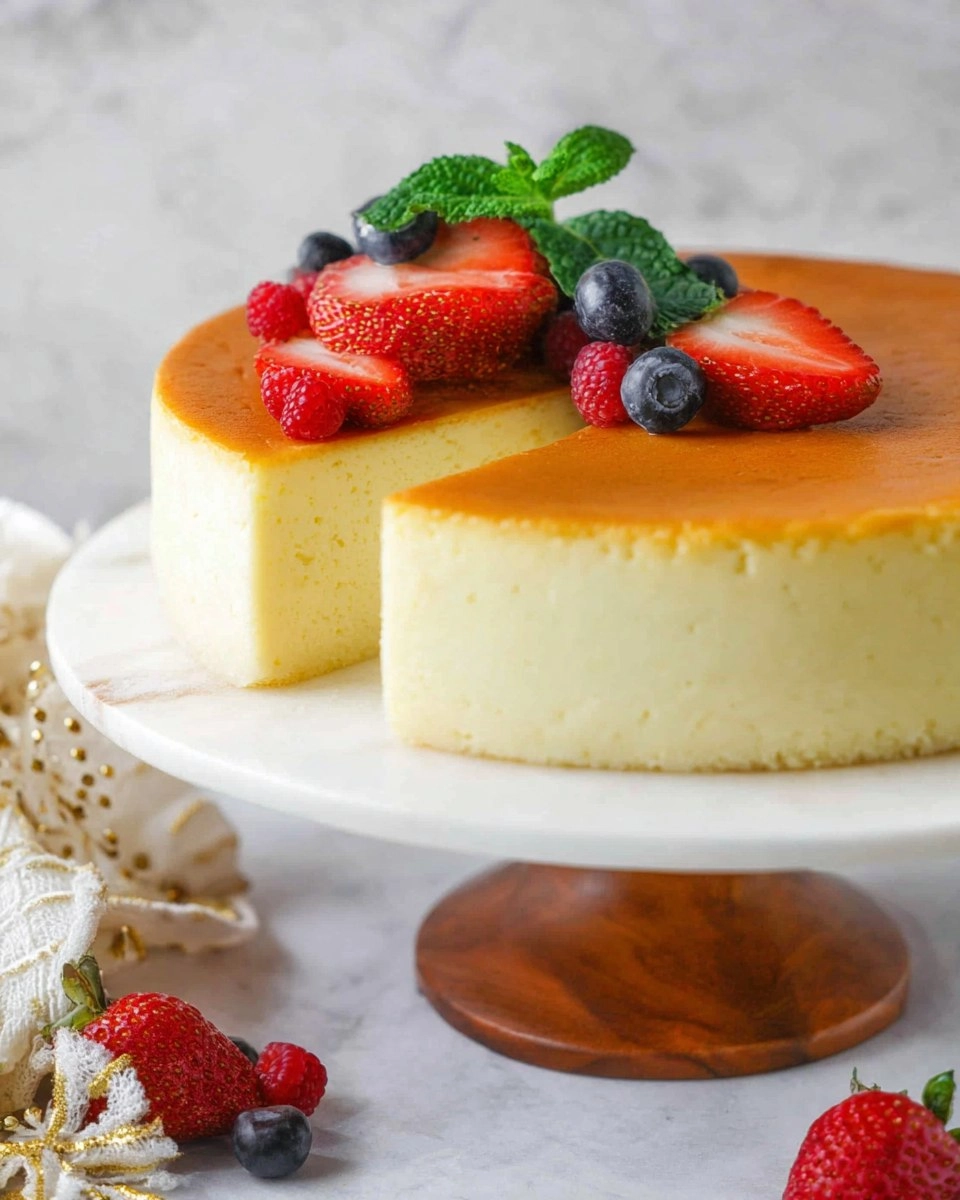
My first encounter with ricotta cheesecake was during a family gathering where my aunt made it from scratch. The aroma filled the entire house, welcoming everyone to the table. I was captivated by its creamy texture and the subtle hints of lemon. This recipe captures that same warmth and nostalgia, and I can assure you that it’s worth every minute spent preparing it. It’s easy to make—and I guarantee it will impress your friends and family.
Table of Contents
Why You’ll Love This Recipe
- Simple & Quick: Ready to savor in about 5 hours, including prep and chilling time.
- Irresistible Flavor: Creamy, smooth, and perfectly sweet with zesty lemon notes.
- Eye-Catching Appeal: Its beautiful light color and smooth finish make it a star attraction on any dessert table.
- Flexible Serving: Perfect for celebrations, brunches, or a sweet snack anytime.
- Diet-Friendly Options: Naturally gluten-free and can be adapted for various preferences.
Ingredients You’ll Need
- 3 pounds whole milk ricotta cheese: The star ingredient! A rich and creamy texture is essential for the best cheesecake. Make sure it’s fresh for optimal flavor.
- 1 ¼ cups (259g) sugar: This balances the cheesecake’s richness and enhances the overall flavor. You can use granulated or substitute with coconut sugar for a healthier option.
- 1 teaspoon vanilla extract: Adds depth and warmth. Use pure vanilla extract rather than imitation for a more authentic taste.
- 4 teaspoons lemon zest: Provides a bright and refreshing flavor. Freshly zested lemons yield the best aroma and taste.
- 8 large eggs: Divided for a smooth and fluffy texture. Using room temperature eggs helps achieve a better rise and consistency.
How to Make Ricotta Cheesecake
- Strain the Ricotta: Start by lining a fine-mesh strainer with cheesecloth, then spoon the ricotta into the cloth and cover it. Let it strain over a bowl for at least 4 hours or overnight. This step ensures your cheesecake isn’t watery and has an incredible texture. Discard any liquid that collects.
- Prepare the Pan: Preheat your oven to 325°F (163°C) and set up a 9-inch springform pan. Line the bottom with parchment paper, securing the sides over the top. This helps in easy removal after baking. Spray the sides well with non-stick spray, and wrap the pan in aluminum foil to prevent water from seeping in.
- Process for Smoothness (Optional): If you desire a super creamy cheesecake, transfer the strained ricotta to a large food processor. Blend it until smooth and creamy. You can do this in batches if necessary.
- Mix the Batter: In a mixing bowl, add the processed ricotta, sugar, vanilla extract, lemon zest, and 4 of the eggs. Mix on low speed until well combined, then add the remaining 4 eggs and mix again until smooth.
- Bake the Cheesecake: Pour the cheesecake batter into the prepared pan. Bake for 1 hour and 30-40 minutes. The edges should be set, while the center remains slightly wiggly (it will be softer than cream cheese versions).
- Cool Slowly: Once baked, turn off the oven without opening the door. Let it cool for an additional 30 minutes, which helps to minimize cracking.
- Final Chill: Crack the oven door open for 30 minutes to allow a gentle cooling process. Afterward, transfer your cheesecake to room temperature, remove it from the water bath wrappings, cover it, and refrigerate for 5-6 hours or overnight.
- Serve: Once chilled, carefully remove the cheesecake from the springform pan and place it on a serving plate. Top with fresh fruit and whipped cream if desired. This cake is best enjoyed within 4-5 days when stored in the fridge.
Storing & Reheating
To store ricotta cheesecake, keep it covered in the refrigerator for up to 5 days. If you need longer storage, consider freezing it—pack it in an airtight container or wrap it tightly in plastic wrap and foil. It can be frozen for up to 3 months. When ready to enjoy again, thaw it overnight in the refrigerator, and if desired, serve it with freshly whipped cream to restore some of its original fluffiness.
Chef’s Helpful Tips
- Ensure your ricotta is well-drained to avoid a soggy cheesecake. The extra moisture can lead to a less-than-perfect texture.
- Always use room temperature eggs; they mix more evenly and give a fluffier result.
- If the cheesecake cracks while cooling, don’t worry! A dollop of whipped cream or a fruit topping can easily hide it.
- This cheesecake is best made a day ahead to allow the flavors to meld beautifully in the fridge.
- Experiment with flavors by adding different zests or extracts, such as orange or almond, to tailor the recipe to your tastes.
This ricotta cheesecake is a testament to the beauty of simple ingredients transforming into an exquisite dessert. The creamy texture paired with zesty lemon creates a balance that everyone will love. Don’t hesitate to experiment and make it your own. Whether it’s for a gathering or a quiet night at home, enjoying a slice (or two) of this cheesecake can turn any occasion into something special.

Recipe FAQs
What can I substitute for ricotta cheese?
How can I prevent my cheesecake from cracking?
Is it possible to make this cheesecake ahead of time?
Can I add toppings to my ricotta cheesecake?
⭐ If you make my Ricotta Cheesecake recipe, Awesome! I would love to hear from you. Please give it a star rating and review below! 👇

Ricotta Cheesecake
This Ricotta Cheesecake features an irresistible flavor thanks to creamy ricotta, sweet sugar, and fresh lemon zest. Perfect for a delightful dessert, it’s simple to prepare and sure to impress anyone looking for homemade goodness.
- Prep Time 15 minutes
- Cook Time 405 minutes
- Yield 12 servings 1x
Ingredients
- 3 pounds whole milk ricotta cheese
- 1 ¼ cups (259g) sugar
- 1 teaspoon vanilla extract
- 4 teaspoons lemon zest (from about 3 lemons)
- 8 large eggs (divided)
Instructions
- Line a fine-mesh strainer or colander with cheesecloth and place it over a bowl.
- Spoon the ricotta into the cheesecloth and cover it.
- Allow it to sit and strain for at least 4 hours, or overnight. Preferably, let it sit overnight to improve texture.
- Discard the liquid after straining.
Notes
For a richer flavor, let the ricotta strain overnight.
Serve chilled for the best experience and flavor.
Garnish with fresh fruits for an attractive presentation.
Nutrition
- Serving Size: 1 slice
- Calories: 300
- Sugar: 15g
- Sodium: 150mg
- Fat: 20g
- Saturated Fat: 10g
- Unsaturated Fat: 8g
- Trans Fat: 0g
- Carbohydrates: 25g
- Fiber: 0g
- Protein: 8g
- Cholesterol: 270mg
Nutritional information is an estimate. The nutritional values for your final dish may vary based on measuring differences and products used.